
What is CBD and How Does It Work?
Cannabidiol, commonly known as CBD, is one of the myriad compounds derived from the cannabis plant. Unlike its more notorious counterpart, tetrahydrocannabinol (THC), CBD is non-psychoactive, meaning it does not produce the "high" associated with marijuana use. This fundamental distinction has spurred interest in CBD as a therapeutic compound, contributing to its growing popularity in wellness communities and the broader population.
Definition and Origin of CBD
CBD is classified as a phytocannabinoid and is among the 113 identified cannabinoids present in the cannabis plant. First discovered in 1940, its true potential remained largely unstudied until recent decades. CBD is primarily extracted from hemp, a variety of cannabis that is low in THC. The extraction process can vary but typically includes methods such as CO2 extraction, called supercritical extraction, which preserves the integrity of cannabinoids and terpenes, ensuring a pure and potent end product.
How CBD Interacts with the Body
The human body contains an endocannabinoid system (ECS), a complex network of receptors located throughout the brain, organs, and tissues. This system plays a crucial role in maintaining balance within the body, influencing mood, pain sensation, appetite, and immune response. CBD interacts with the ECS by binding to cannabinoid receptors (CB1 and CB2), primarily located in the central nervous system and peripheral nervous system. This interaction helps to modulate the release of neurotransmitters, contributing to various physiological effects that can promote well-being.
Common Forms of CBD Products
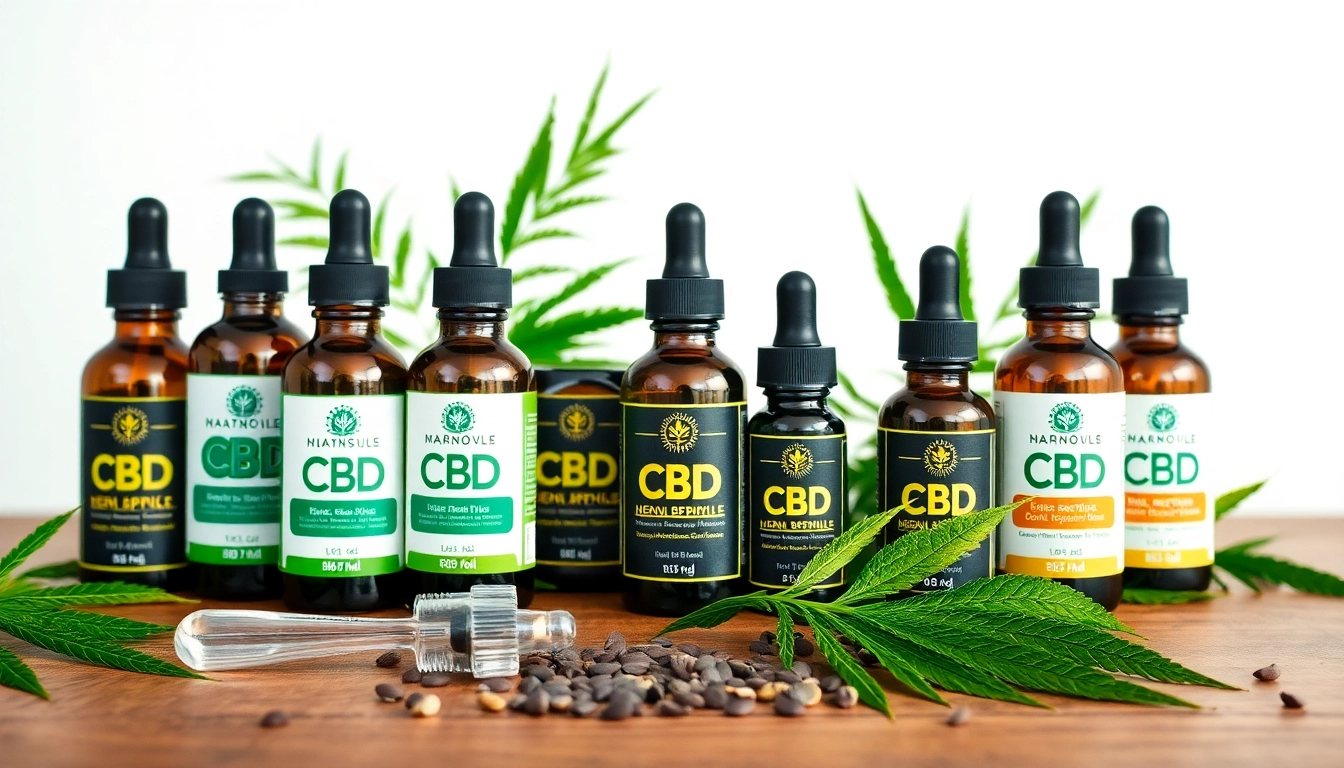
CBD is available in numerous forms to suit various preferences and needs. Some of the most common formulations include:
- Oils and Tinctures: These are typically taken sublingually for quick absorption into the bloodstream.
- Edibles: CBD-infused foods, including gummies and chocolates, offer a tasty way to consume CBD.
- Capsules: These provide precise dosages and are convenient for those who prefer traditional pill forms.
- Topicals: Creams and balms infused with CBD are applied directly to the skin for localized relief.
- Vapes: Inhalation of vaporized CBD oil allows for immediate effects, though this method may not be ideal for everyone.
Health Benefits of CBD
The therapeutic potential of CBD has been the focus of various scientific studies, revealing a range of potential health benefits. However, it is essential to approach these findings with a critical eye, as more research is needed to fully understand the extent of CBD's effects.
Reducing Anxiety and Stress
Anxiety disorders are among the most common mental health issues worldwide. Preliminary studies suggest that CBD may reduce symptoms of anxiety in both human and animal models. It is believed that CBD influences serotonin receptors, which play a significant role in mood regulation. For example, a study revealed that participants with social anxiety experienced significantly reduced anxiety when taking CBD before a public speaking event.
Managing Chronic Pain
Many individuals with chronic pain conditions have turned to CBD as a potential alternative for pain relief. Research implies that CBD may alleviate pain by reducing inflammation and interacting with neurotransmitters responsible for signaling pain. A prominent study demonstrated that CBD effectively reduced pain in patients with multiple sclerosis and identified significant improvements in quality of life when CBD was integrated into their pain management strategies.
Potential Neuroprotective Properties
Emerging research suggests that CBD possesses neuroprotective qualities, which could benefit conditions such as epilepsy and neurodegenerative disorders. Its ability to interact with the ECS might help in the prevention of neurodegeneration. For example, one study showcased the efficacy of CBD in reducing the frequency of seizures in patients with Dravet syndrome, a severe form of epilepsy, adding to the body of evidence supporting CBD for neurological health.
Usage Guidelines for CBD
To maximize the benefits of CBD, users should understand the best practices for its consumption. Correct dosing, method of intake, and timing can significantly affect the compound's efficacy.
Determining the Right Dosage
Finding the optimal dosage of CBD can be uniquely individual, influenced by several factors such as body weight, metabolism, and the health condition being addressed. A general recommendation is to start with a low dose, typically 5-10 mg, and gradually increase it based on the observed effects. Consulting with a healthcare provider for personalized dosage guidance is strongly advised, particularly for individuals with existing health conditions or those taking other medications.
Methods of Consumption
The method of consumption can influence how efficiently CBD is absorbed into the body. Oils and tinctures are generally absorbed more quickly due to the sublingual administration, while edibles may take longer to provide effects due to digestion. Users may experiment with different methods to determine which best suits their lifestyle and therapeutic needs.
Timing and Frequency of Use
The timing and frequency of CBD consumption can also affect its therapeutic outcomes. Some individuals find it beneficial to take CBD during times of increased anxiety or pain, while others prefer a consistent regimen, taking it daily at the same time. The effects of CBD can last several hours, so understanding one’s body and how it reacts will provide the best insight into timing.
Safety and Side Effects of CBD
While CBD is generally considered safe, it is important to recognize potential side effects and interactions with other medications. Comprehensive awareness ensures responsible use and minimizes adverse experiences.
Common Side Effects
Most users tolerate CBD well; however, some may experience side effects. Commonly reported effects include:
- Dry mouth
- Fatigue
- Changes in appetite
- Dizziness
Individuals should monitor their responses to CBD and adjust consumption accordingly. If side effects persist or worsen, discontinuing use and consulting a healthcare provider is advisable.
Potential Drug Interactions
One significant consideration when using CBD is its potential to interact with other medications. CBD can affect the liver's metabolizing enzymes, altering the metabolism of various drugs. People on heavy medications, particularly those processed by the liver, should discuss CBD use with a healthcare provider to avoid serious interactions.
Who Should Avoid CBD?
Certain populations should exercise caution when considering CBD. Pregnant or breastfeeding individuals are generally advised to avoid CBD due to limited research on its safety for developing fetuses or infants. Additionally, those with liver issues, as well as individuals on certain medications, should consult with a healthcare professional before beginning CBD.
Future Perspectives on CBD
The landscape surrounding CBD is rapidly evolving, propelled by ongoing research and changing public perceptions. As studies continue, clearer insights into the benefits, risks, and applications of CBD are anticipated.
Regulatory Landscape and Considerations
The regulatory framework for CBD in the United States is complex and dynamic. The 2018 Farm Bill legalized hemp-derived CBD with less than 0.3% THC at the federal level; however, states maintain their own specific regulations. As consumer interest grows, legislative bodies continue to explore appropriate regulations regarding the manufacture, sale, and marketing of CBD products.
Ongoing Research Areas
Several areas of research stand at the forefront for CBD, including its applications in mental health, pain management, and potential effects on various chronic conditions. Efforts are underway to conduct large-scale clinical trials to validate anecdotal evidence and further dissect the mechanisms of action. As scientific understanding deepens, it could lead to more regulated and effective therapeutic CBD products.
Market Trends and Innovations
The CBD market has witnessed significant innovations in product formulations, ranging from beverages and beauty products to personalized therapies. Increased consumer demand has incentivized companies to create diverse offerings that combine CBD with other ingredients, targeting niche markets. As the industry matures, innovations are expected to focus on efficacy, safety, and user preferences, further validating CBD’s place in health and wellness.