
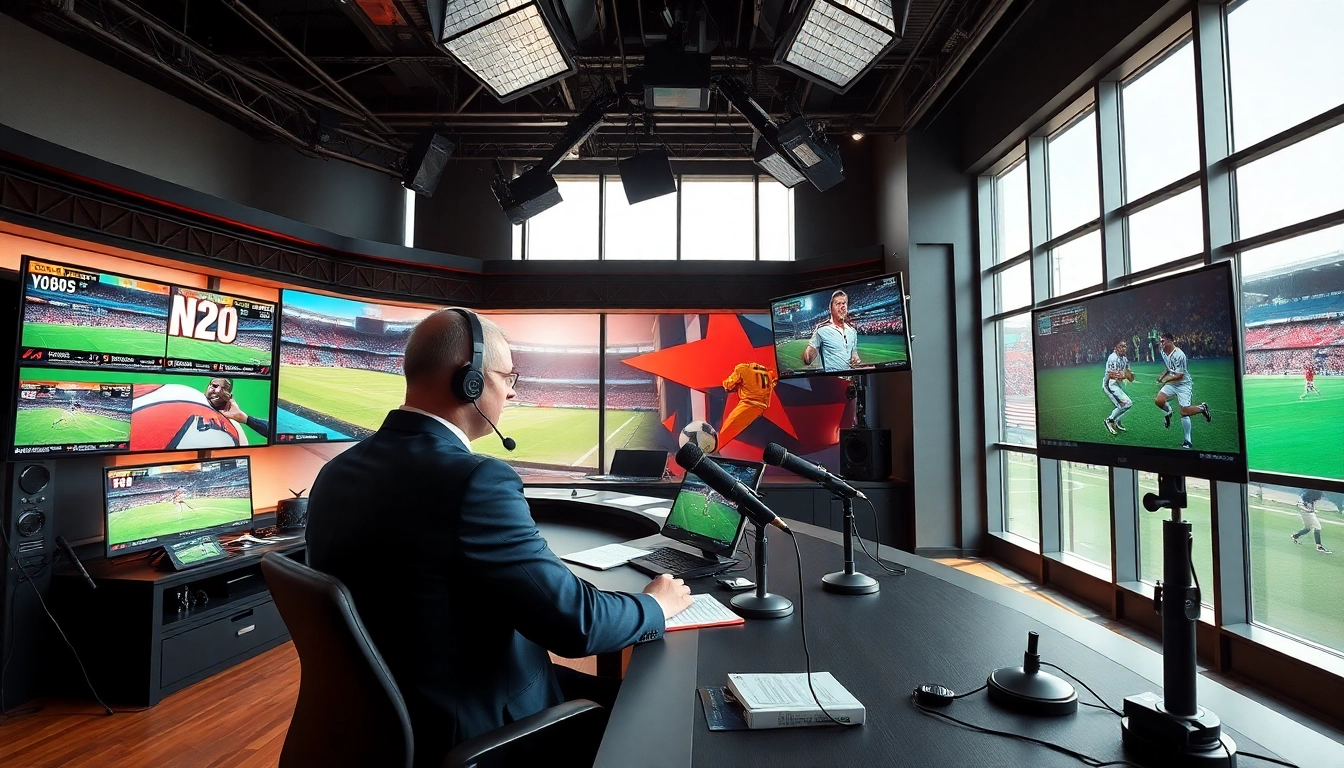
Understanding Sports Broadcasting Fundamentals
Introduction to Sports Broadcasting
Sports Broadcasting is a dynamic field that combines entertainment, communication, and technology to deliver sporting events to audiences around the world. It involves the dissemination of sports-related content via various channels, such as television, radio, and digital platforms, aiming to engage fans and provide comprehensive coverage of events. With the rise of online streaming services, Sports Broadcasting has evolved significantly, adapting to new technologies and changing viewer preferences.
Key Roles and Responsibilities
Within the realm of Sports Broadcasting, various roles contribute towards creating content that resonates with viewers. Key positions include:
- Sports Commentators: Provide play-by-play narration and insights during live events.
- Producers: Oversee the overall production, ensuring that all elements of the broadcast run smoothly.
- Camera Operators: Capture the action from different angles, providing a visual experience for the audience.
- Editors: Compile footage for highlight reels and post-event coverage, ensuring the final product is polished and engaging.
- Digital Marketers: Promote sports content across various platforms, including social media and websites, to enhance viewership.
Essential Equipment and Technology
The technological backbone of Sports Broadcasting is critical to its success. Essential equipment includes:
- Cameras: High-definition cameras capable of capturing fast-paced action are fundamental for quality broadcasts.
- Audio Equipment: Microphones and audio mixers facilitate clear commentary and sound effects.
- Broadcasting Software: Programs for graphics, editing, and live stream management help create a seamless viewer experience.
- Streaming Technology: For digital broadcasting, reliable internet connections and servers are vital for live events.
Sports Broadcasting Formats and Platforms
Traditional vs. Digital Broadcasting
Traditionally, sports broadcasting primarily occurred via terrestrial television and radio, offering limited interactivity. However, the digital era has transformed the landscape, with many sporting events now accessible online through platforms like streaming services and mobile applications. Digital broadcasting provides viewers with flexible viewing options, such as on-demand content and dual-screen experiences, catering to the preferences of modern audiences.
Live Streaming Innovations
The rise of live streaming has introduced new opportunities and challenges for Sports Broadcasting. Events can be streamed in real-time on social media platforms, making them more accessible than ever. Key innovations include:
- 360-degree Streaming: Offers immersive experiences for viewers, allowing them to choose their perspective during the broadcast.
- Interactive Features: Real-time polls and chats engage audiences, allowing for greater participation and feedback.
- Multi-language Support: Enhances accessibility for international audiences by providing commentary in various languages.
Social Media’s Impact on Sports Broadcasting
Social media has revolutionized Sports Broadcasting by enabling instant information sharing and audience interaction. Platforms like Twitter, Instagram, and Facebook are now essential for promoting content, sharing highlights, and engaging with fans. Through hashtags and live-tweeting, broadcasters can increase engagement, build communities, and enhance viewer loyalty.
Content Creation and Audience Engagement
Storytelling in Sports Broadcasting
Effective Sports Broadcasting goes beyond scores and statistics; it is about storytelling. Broadcasters weave narratives that highlight athletes’ journeys, rivalries, and pivotal moments that create emotional connections with viewers. Engaging storytelling involves:
- Character Development: Focusing on athletes' backgrounds and challenges they face.
- Tension Building: Highlighting rivalries and turning points in games that keep viewers on the edge of their seats.
- Human Interest Stories: Sharing personal stories that resonate with audiences and create an emotional attachment.
Enhancing Viewer Experience
Delivering an exceptional viewer experience is paramount in Sports Broadcasting. Broadcasters employ various strategies to achieve this, such as:
- High-Quality Production: Investing in advanced technology for superior visuals and sound quality.
- Expert Commentary: Inviting former athletes or experienced analysts to provide in-depth insights.
- Fan Interaction: Incorporating social media feedback and contests enhances the overall experience.
Effective Use of Graphics and Stats
Graphics and statistics play a crucial role in Sports Broadcasting by providing viewers with real-time data and visual cues. Effective utilization includes:
- In-Game Statistics: Displaying relevant stats during broadcasts to inform viewers and enhance understanding.
- Visual Effects: Using graphics for instant replays and critical game moments amplifies the excitement.
- Data Visualization: Infographics that simplify complex data help audiences grasp the information quickly.
Legal and Ethical Considerations in Sports Broadcasting
Understanding Copyright and Licensing
Sports Broadcasting operates within a complex web of copyright regulations and licensing agreements. It is vital for broadcasters to adhere to copyright laws to avoid legal repercussions while securing the rights to air events. This involves:
- Licensing Agreements: Negotiating contracts with sports leagues and teams for broadcasting rights.
- Understanding Fair Use: Familiarity with what constitutes fair use, especially in relation to highlights and commentary.
- Credit Attribution: Giving proper credit for photos, clips, and data used in broadcasts is both ethical and legally required.
Maintaining Professional Ethics
Ethical standards are essential to uphold the credibility of Sports Broadcasting. Broadcasters must prioritize integrity by:
- Fact-Checking: Ensuring the accuracy of information before airing.
- Avoiding Conflicts of Interest: Keeping personal biases separate from reporting.
- Responsible Commentary: Avoiding inflammatory remarks and promoting respectful dialogue.
Addressing Viewer Complaints
Dealing with viewer feedback constructively is vital for building trust. Broadcasters should implement:
- Effective Communication Channels: Providing viewers with clear ways to voice their concerns.
- Prompt Responses: Addressing complaints swiftly to demonstrate accountability.
- Transparent Processes: Being open about policies and decisions helps maintain viewer loyalty.
Future Trends in Sports Broadcasting
Technological Advancements on the Horizon
The field of Sports Broadcasting is poised for further innovation as technology advances. Key trends to watch include:
- Artificial Intelligence (AI): AI technologies may automate aspects of content creation, including highlight generation and audience targeting.
- Enhanced Analytics: Big data will drive deeper insights into viewer preferences and engagement metrics.
- Blockchain Integration: Blockchain could enhance transparency in licensing agreements and fan rewards programs.
Changing Viewer Preferences
As demographics shift, so do viewer preferences. Younger audiences typically favor on-demand and mobile access over traditional television, prompting networks to adapt their strategies. Key adaptations include:
- Personalization: Tailoring content recommendations based on viewer behavior.
- Short-form Content: Producing bite-sized highlights and quick recaps to match today’s fast-paced lifestyle.
- Hybrid Viewing Experiences: Blending live broadcasts with interactive features to captivate diverse audiences.
Impact of Virtual Reality and Augmented Reality
Virtual Reality (VR) and Augmented Reality (AR) present exciting possibilities for immersive viewing experiences. By allowing fans to engage with sports events in unique ways, broadcasters are enhancing the way viewers consume content. Potential applications include:
- VR Stadium Experiences: Offering virtual seating options to watch games from different angles.
- AR Enhancements: Integrating AR visuals during broadcasts to display player stats and real-time analysis.
- Interactive Game Analysis: Allowing users to explore plays from various perspectives and access in-depth statistics.
What is Sports Broadcasting?
Sports Broadcasting involves the distribution of sporting events through various media, including television, radio, and online platforms.
How do I get started in Sports Broadcasting?
To start, you should gain relevant education in communications, participate in internships, and develop skills in storytelling and technology.
What equipment is necessary for Sports Broadcasting?
Key equipment includes cameras, microphones, audio mixers, and powerful computers for editing and broadcasting live streams.
What are common challenges in Sports Broadcasting?
Challenges include technical difficulties, tight deadlines, and maintaining viewer engagement during live broadcasts.
How can I improve audience engagement in Sports Broadcasting?
Enhance storytelling, utilize social media platforms, and incorporate viewer feedback to keep your audience engaged and invested.